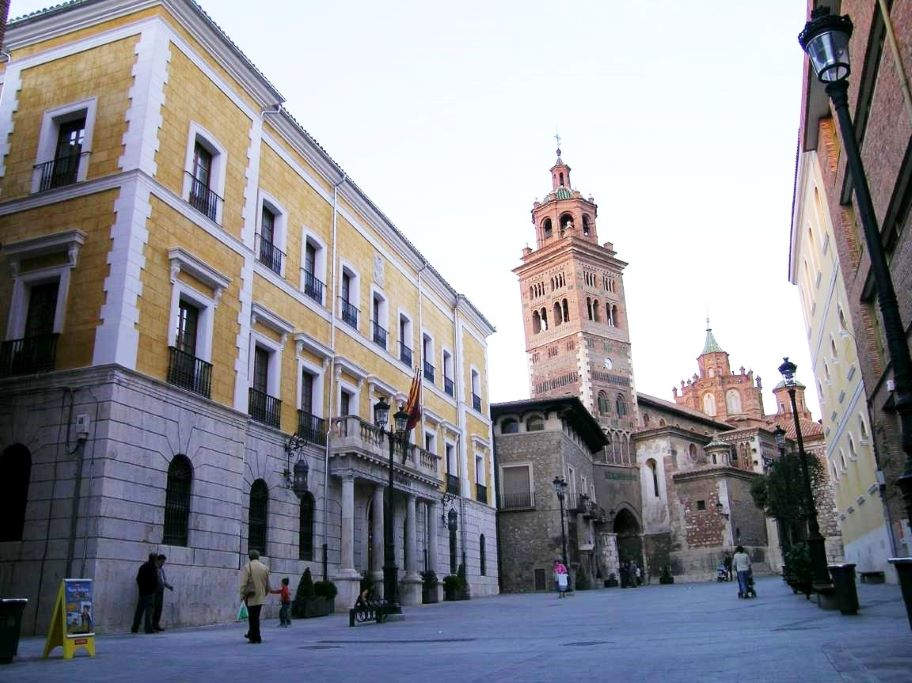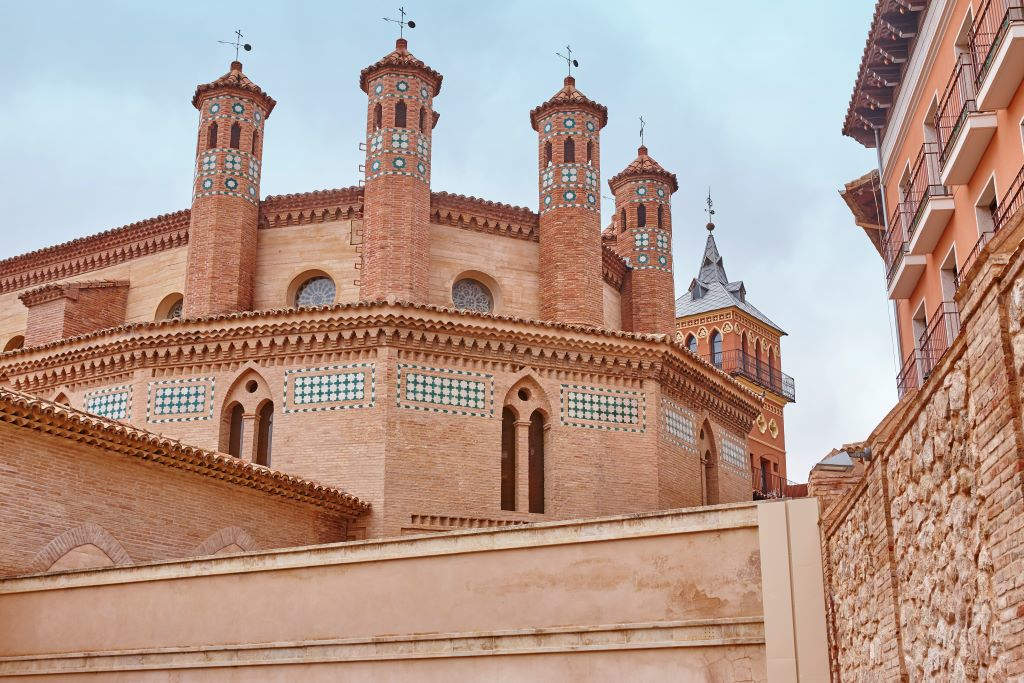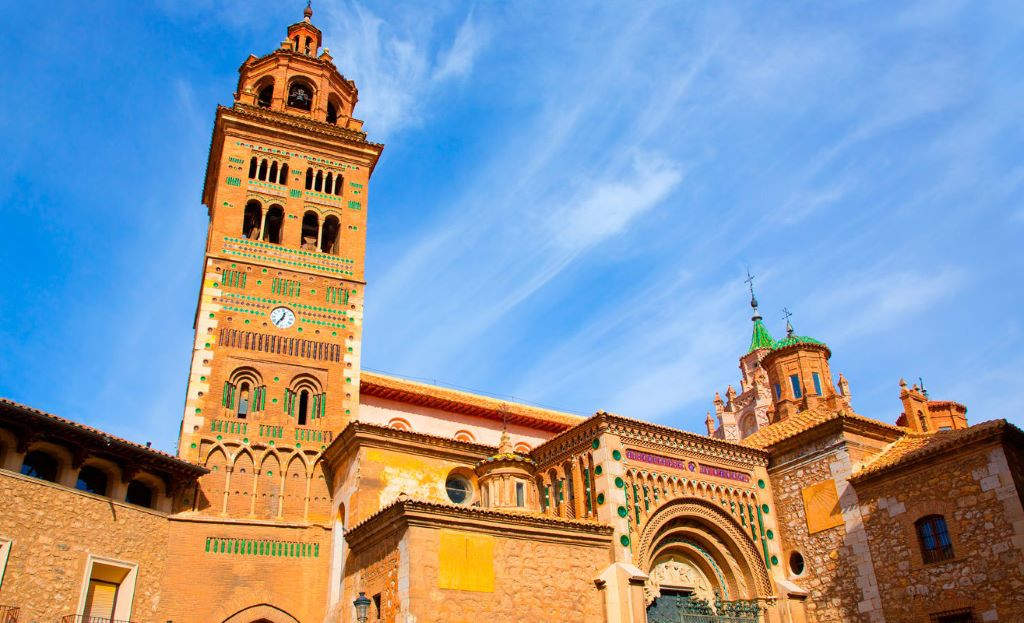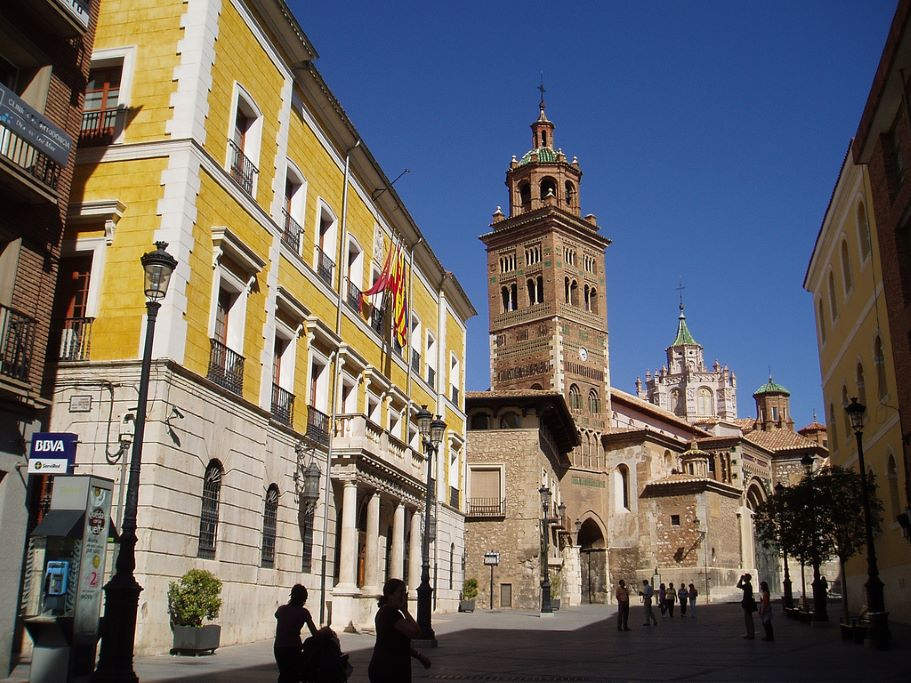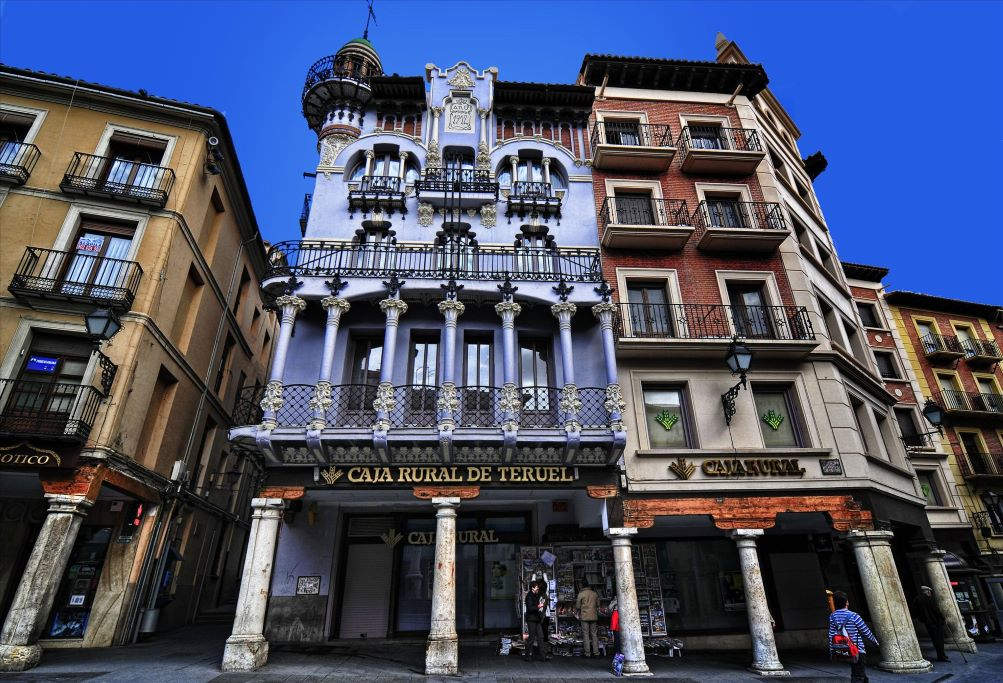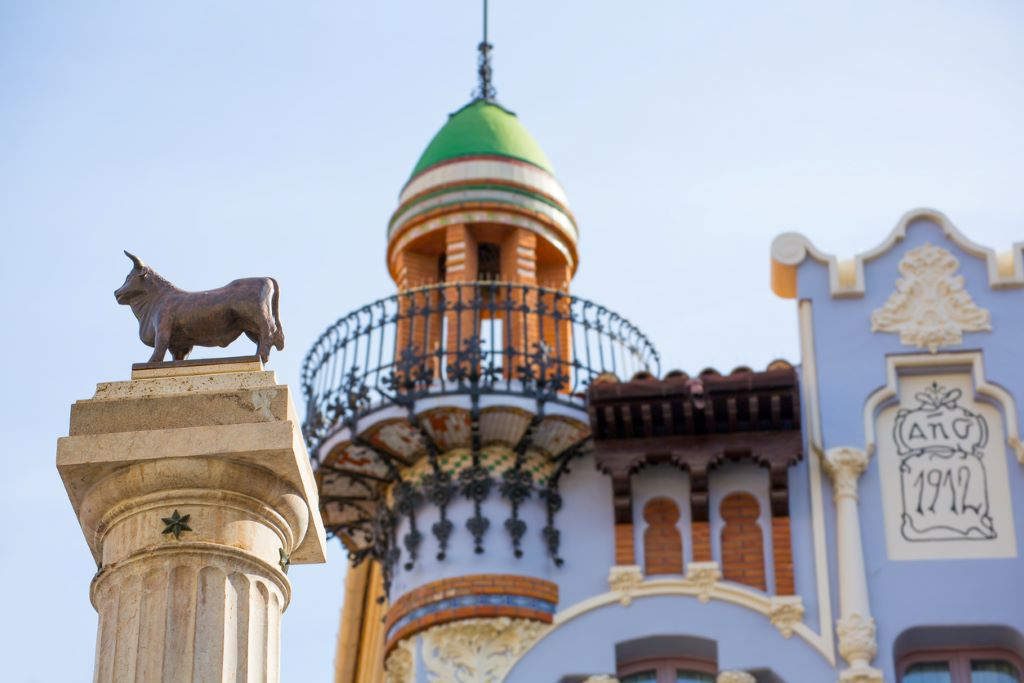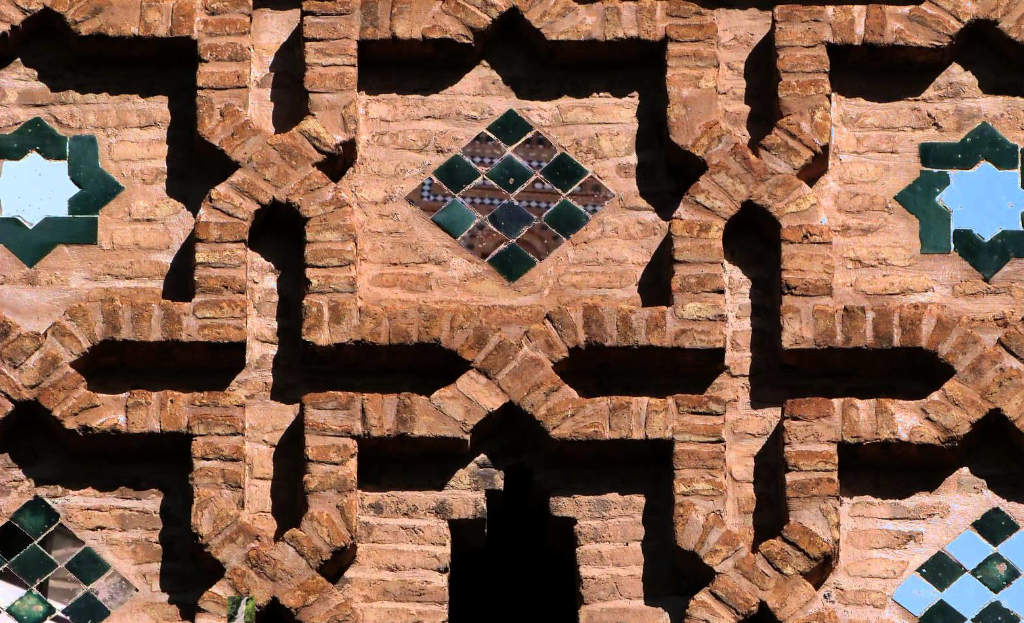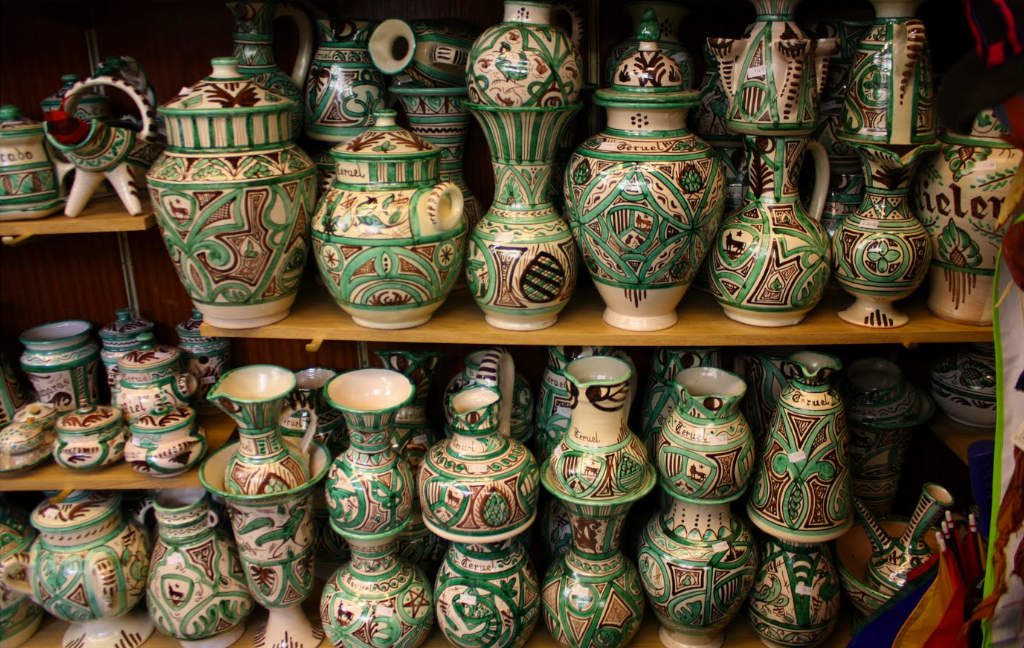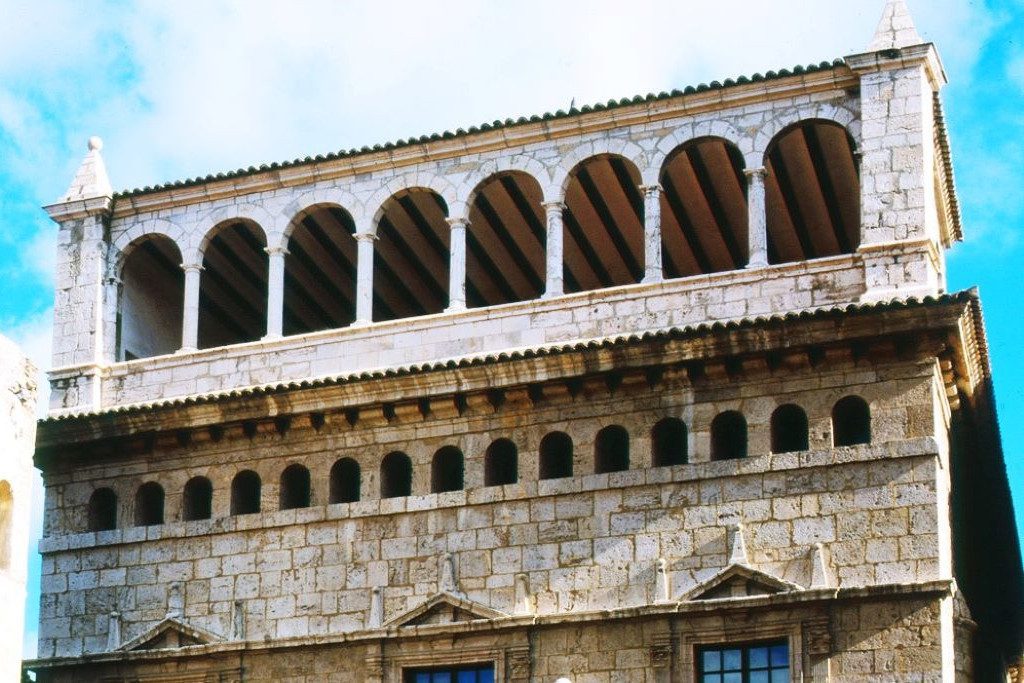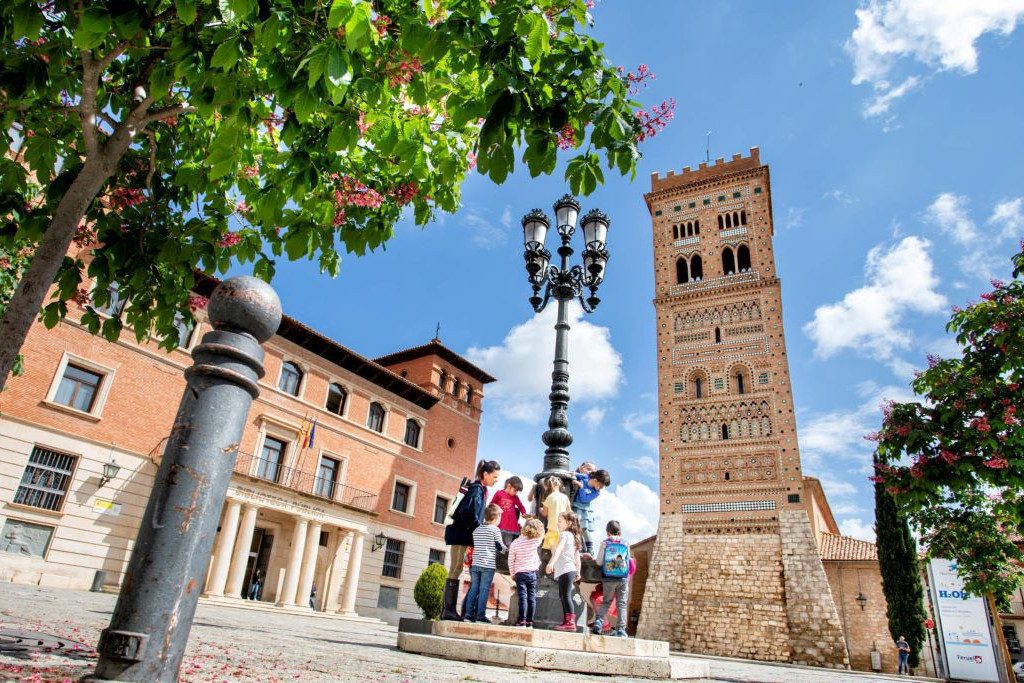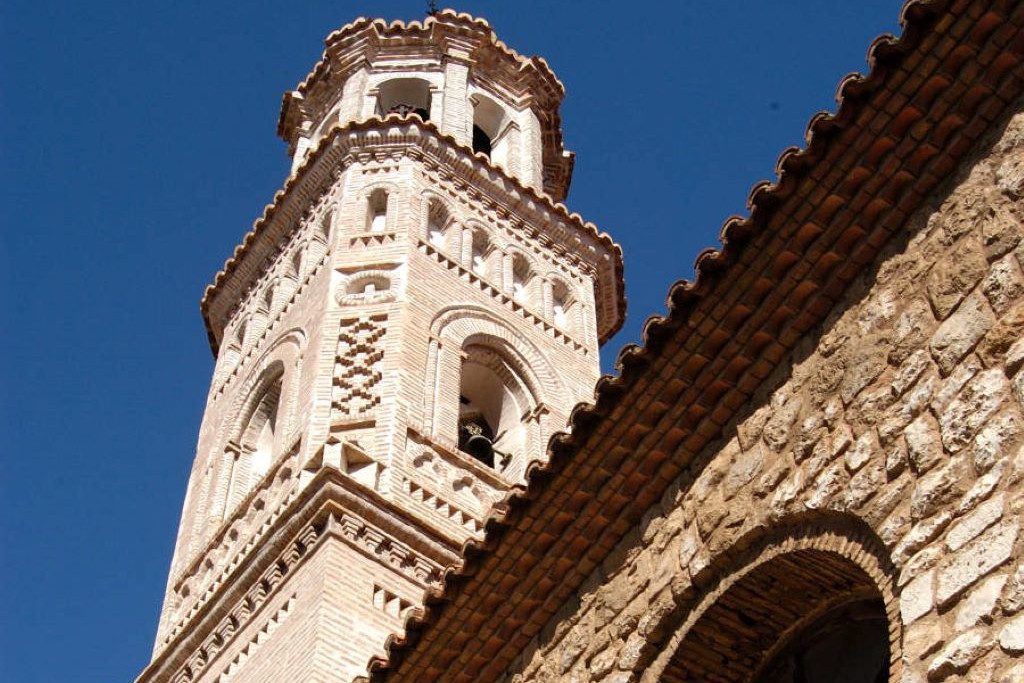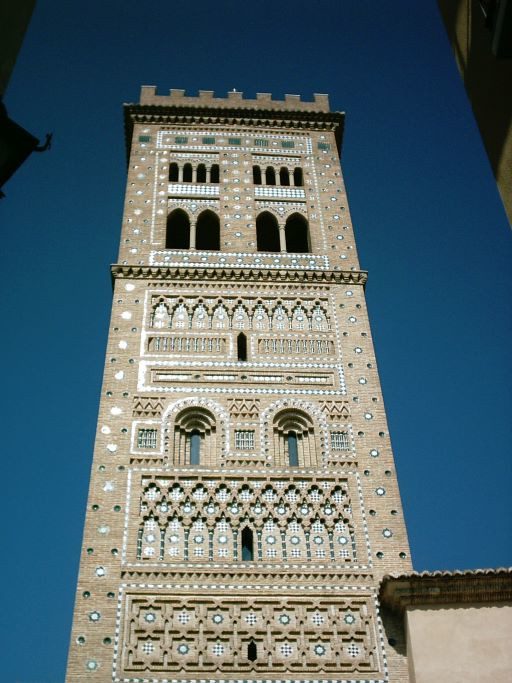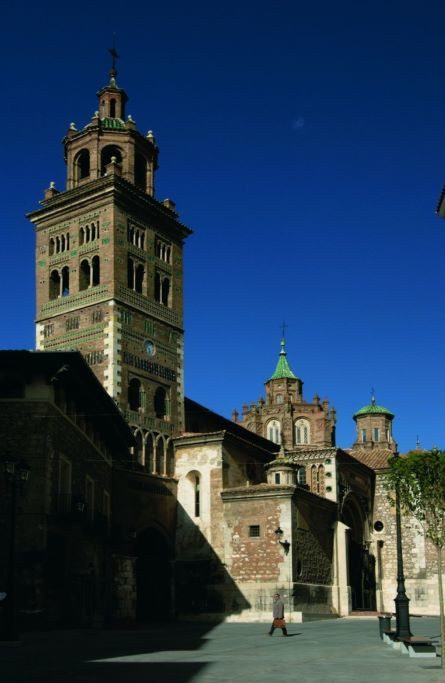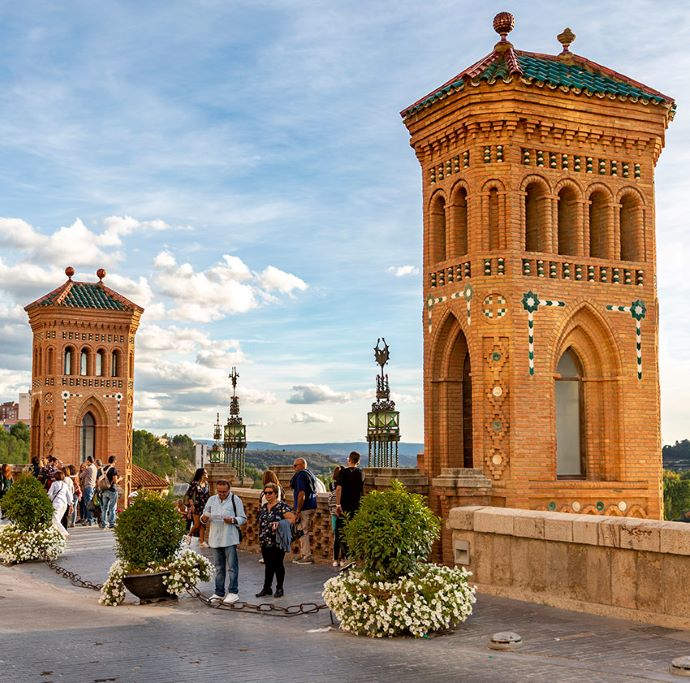
This Aragonese city is synonymous with Mudejar art, making it one of the best places to admire this unique style—a stunning blend of Islamic artistic traditions and Christian architectural influences. The defining features of Mudejar, such as geometric brickwork, glazed ceramic tiles, and intricate wooden ceilings, are beautifully showcased in Teruel's towers and churches, four of which are recognized as UNESCO World Heritage Sites. Teruel is not just a cultural treasure; it's also a charming small city with a fascinating history—it was even once a land of dinosaurs!
Informations et localisation
Ville/Province : Teruel
Type d'expérience :
Principales attractions
Adresse : 44001, Teruel, Spain
Quand : Teruel experiences a climate of contrasts, with hot summers and cold winters, offering significant temperature variations throughout the year. The best times to visit for pleasant weather are from April to June and from early September to late October. That said, Teruel’s charm makes it worth visiting at any time of the year.
Comment s'y rendre : The two major Spanish cities closest to Teruel are Zaragoza and Valencia. The first is just over 170 km, and the second, about 150 km. From both, it is easy to reach Teruel by road or train. The A-23 highway, known as the Mudejar Highway, is the one that connects these three cities. The national roads that pass through Teruel are three: N-211 (Madrid-Barcelona), N-420 (Córdoba-Tarragona) and N-232 (Castellón-Burgos).
Informations touristiques : You will find Tourist Offices at Amantes Square and San Juan Square. Also on the websites https://www.sienteteruel.es and www.turismodearagon.com.
Notre conseil : One of Teruel’s greatest appeals is its tranquil atmosphere, far from the crowds. Here, you can experience authentic local life, something rare to find in many parts of Spain. In the surrounding province, you’ll discover charming villages, including Albarracín, often recognized as one of the most beautiful towns in Spain.