Patrimoine islamique Adresse : Cristo de la Luz, 22, 45002 Toledo.
Où ? It's located very close to one of the gates of the walled enclosure, Bab al-Mardum Gate, from which it takes the name.
Heures d'ouverture : Open Monday to Sunday.
From 1 Mar. to 15 Oct: 10:00 - 18:45.
From 16 Oct to 28 Feb: 10:00 - 17:45.
Closed on 1 st of Jan. and 25th of Dec.
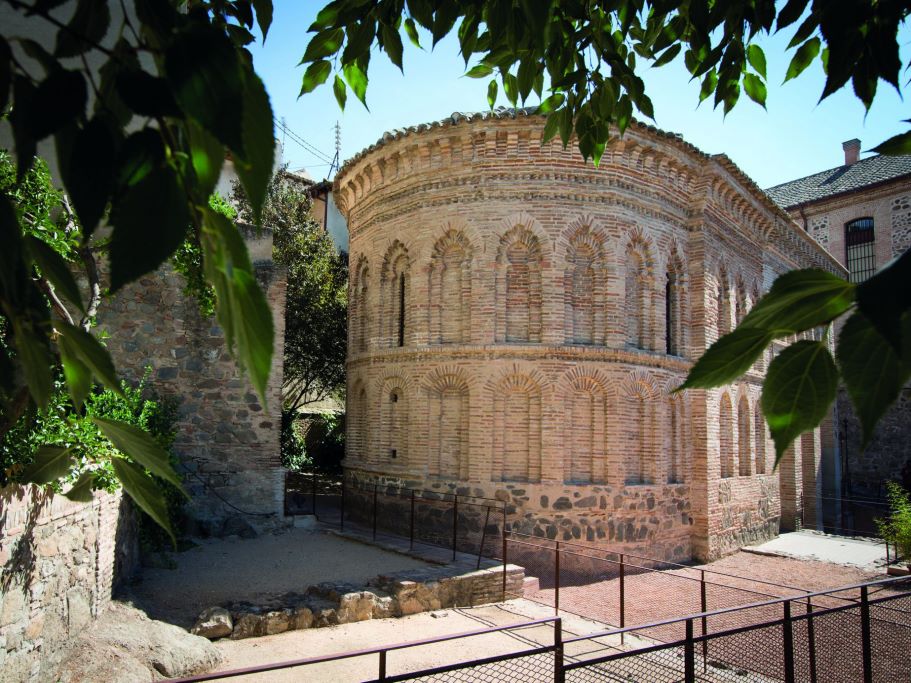
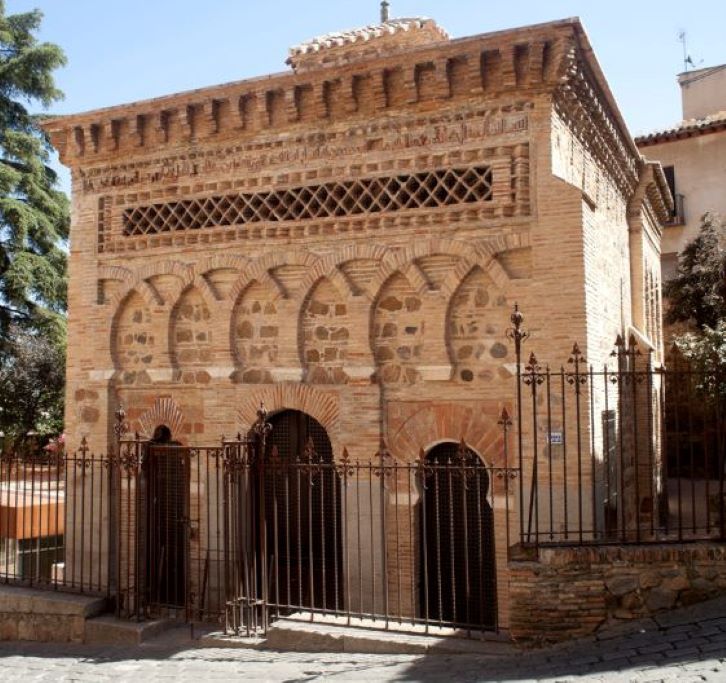
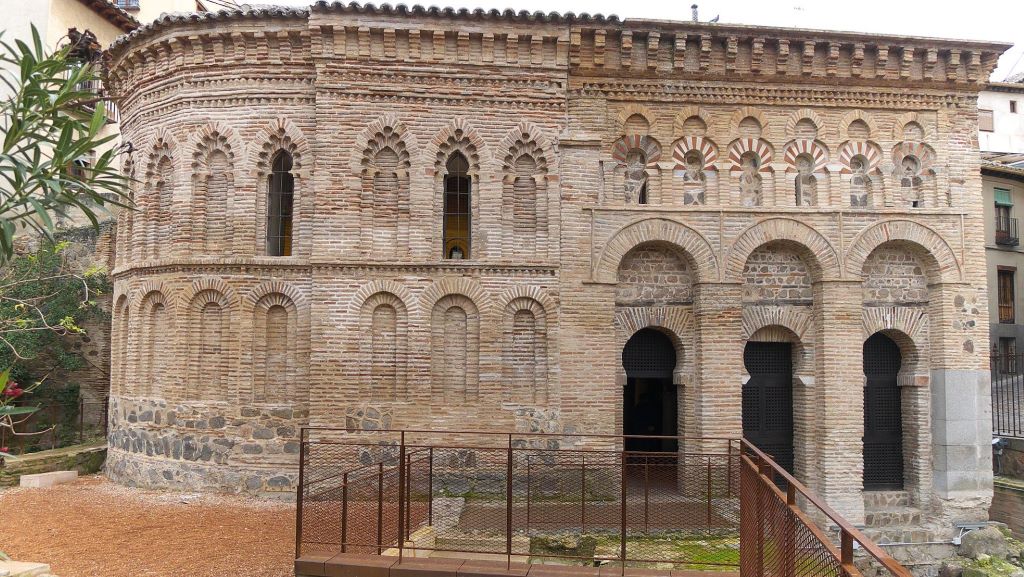
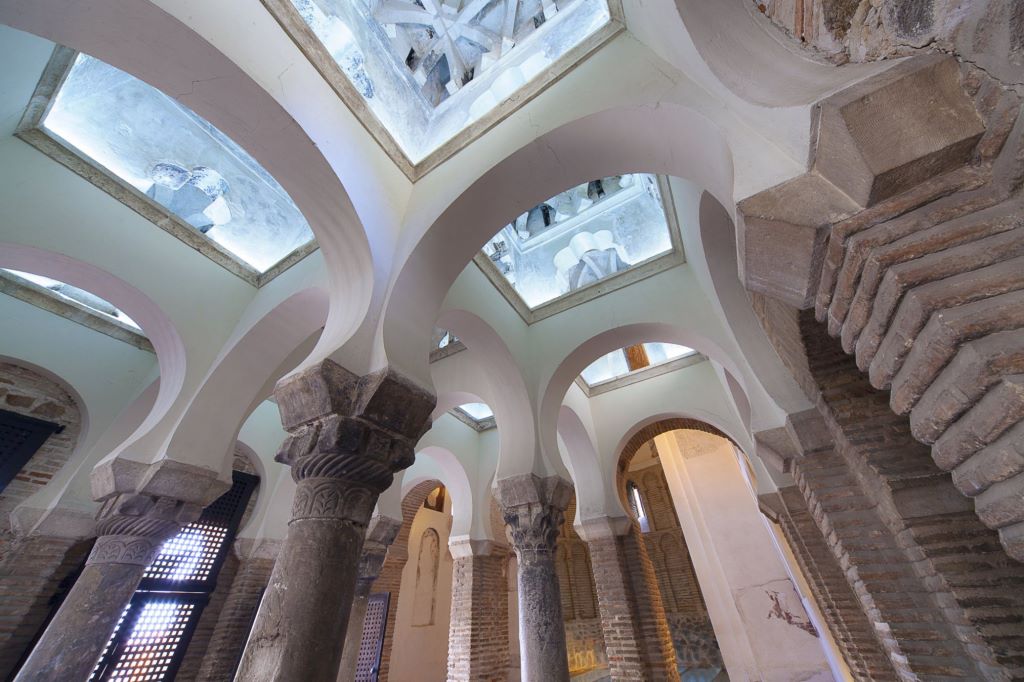
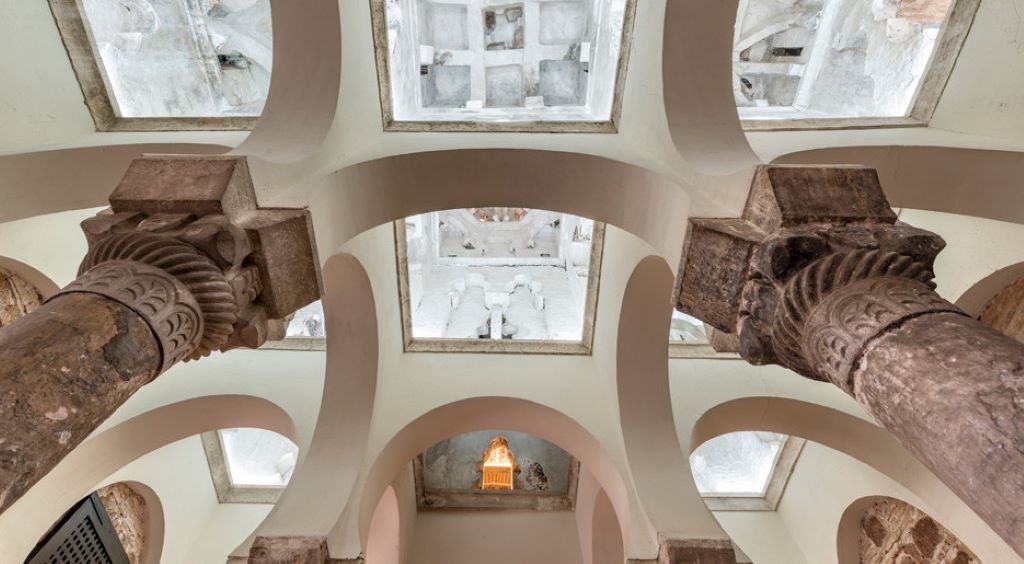
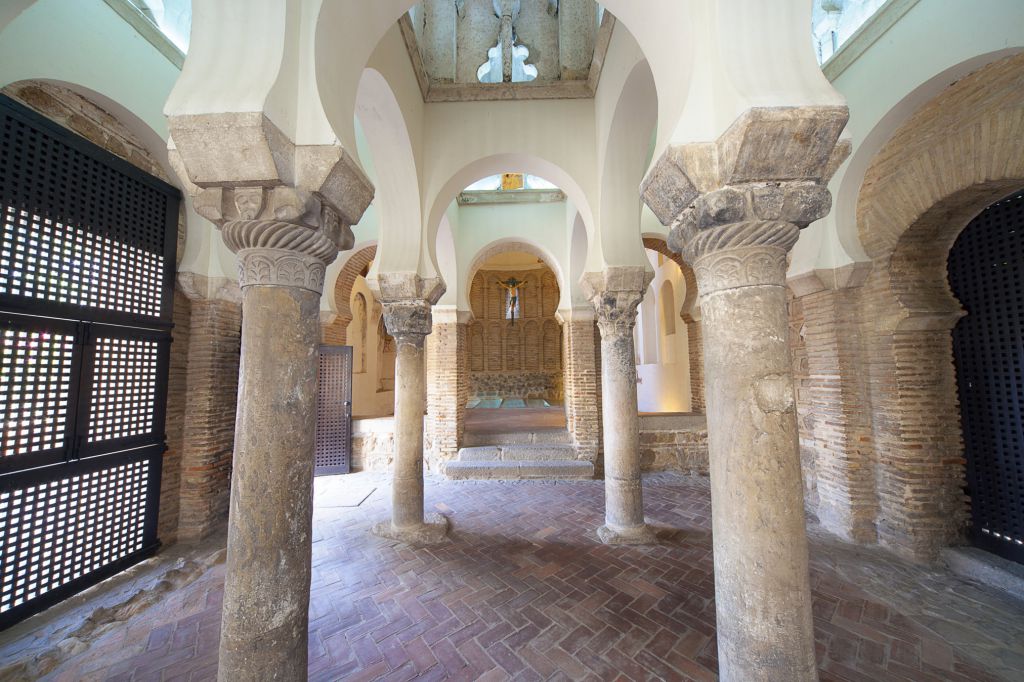
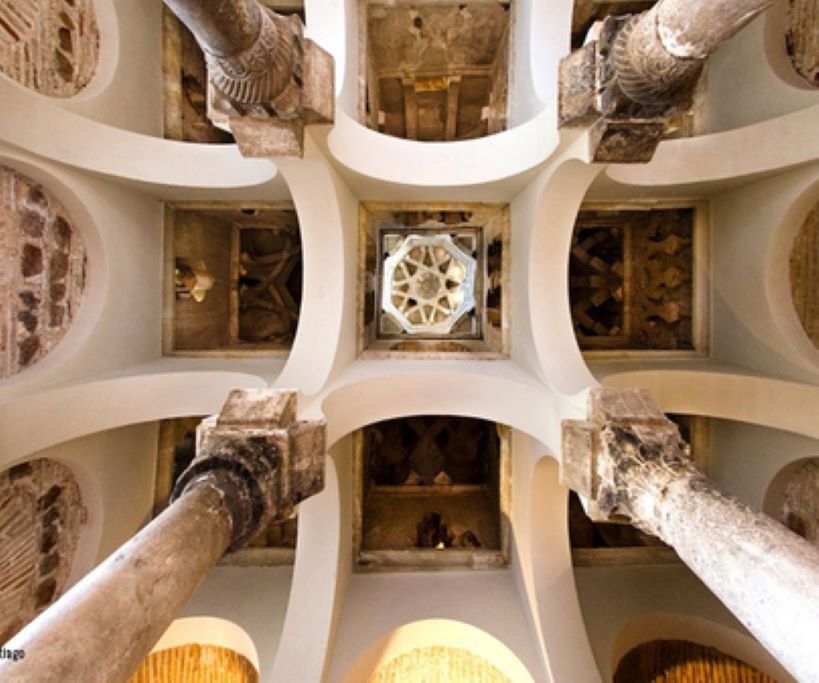
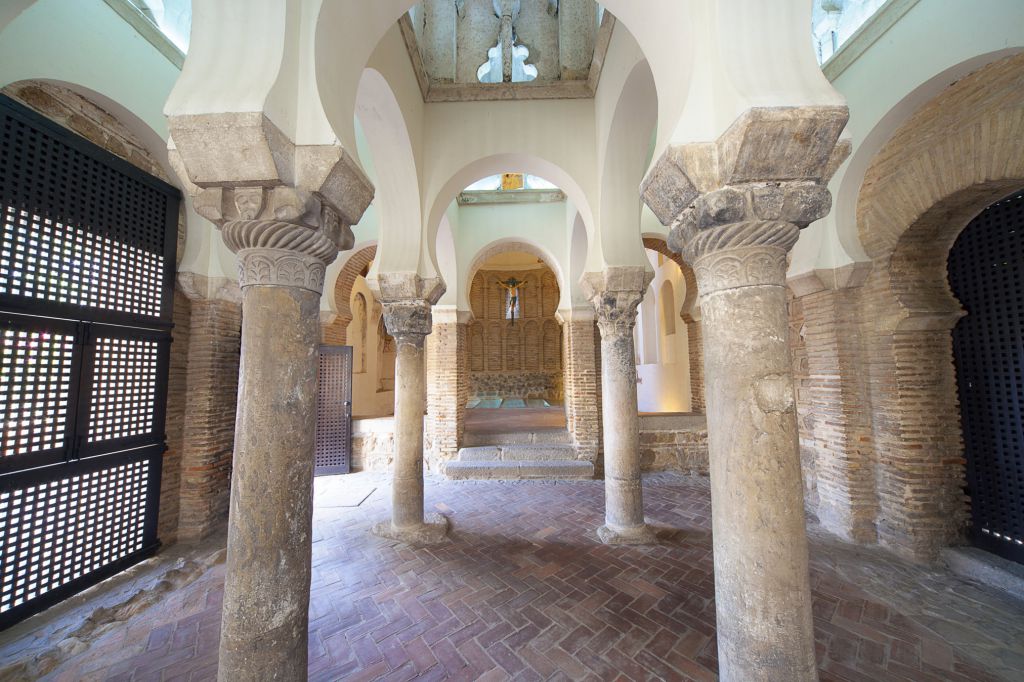
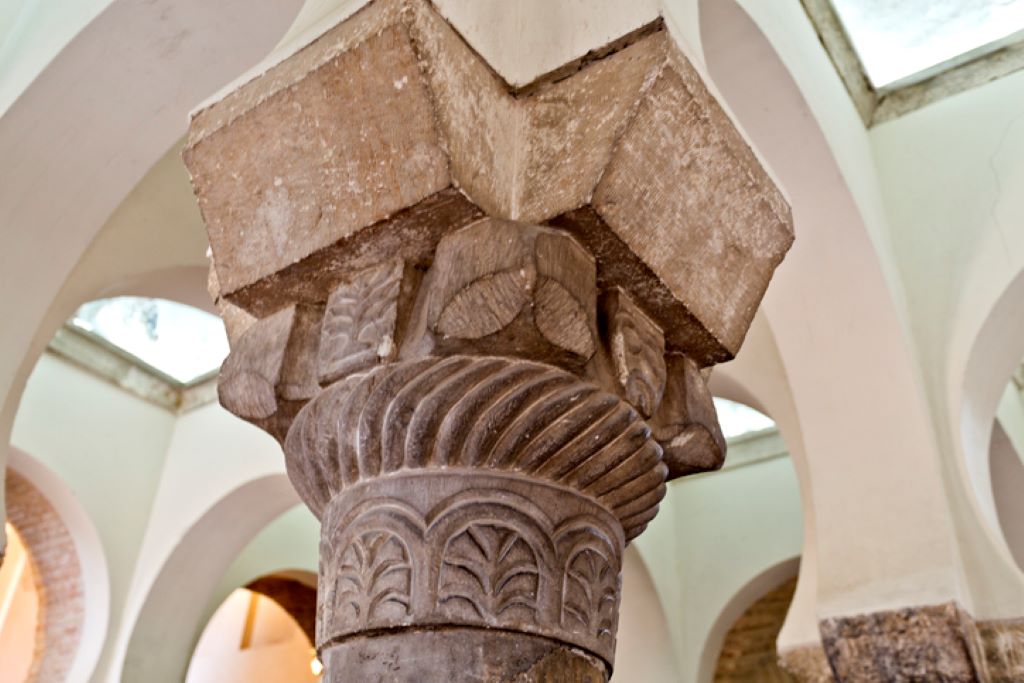
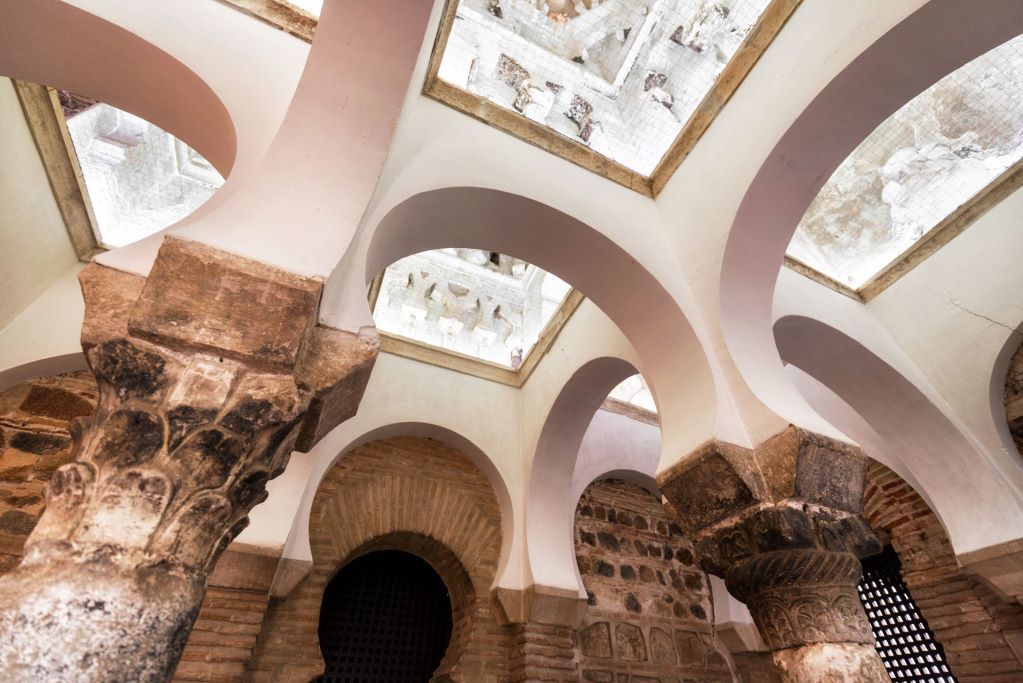
Plus d'informations : Within their modesty, the constructive and decorative elements, such as vaults, horseshoe arches with cant etc., have a clear inspiration in the Mosque of Cordoba, and especially in the extension of the prayer hall ordered by the Caliph Al-Hakam II, just 30 years before. The vaults are fragmented or complete replicas of the vaults drawn in the capital of Al Ándalus. It is believed that it could function as a madrasa. It is the only well preserved of the at least 14 documented mosques that existed in Toledo-Tulaytula.
Current status: Today the monument as a whole, both the mosque part and the Christian church or hermitage, is a desacralized place to which a small interpretation center has been added.
Prix : General ticket: € 2,80. / Children up to 10 years: Free.
Other mosques (or its remains) in Toledo
Tornerías Mosque: This 11th-century brick-built mosque resembles that of Bab al-Mardum. The arches, vaults and part of the Quibla wall and the mihrab are preserved. Located in what is now the commercial heart of Toledo, it is the headquarters of a foundation and hosts craft exhibitions.
St. Justa & Rufina: This church was built on an old mosque located in the commercial area of the Islamic city. Of that ancient mosque only a horseshoe arch on the main facade and an Arabic inscription mentioning the construction of one of the naves are preserved.
El Salvador: This church is considered the oldest mosque in Toledo (9th century) and the second in importance after the Aljama Mosque (current Cathedral). Typical horseshoe arches of the caliphate architecture, part of the minaret, the quibla wall and the courtyard (sahn) are preserved.
Al-Dabbagin: Fath ibn Ibrahim al'Umawi, known as al-Qasari (934-1013), built a mosque on the land that occupied the tanners' quarter of Toledo. This mosque, called al-Dabbagin, is the current church of San Sebastián. The arches and part of the minaret are preserved.