Valencia, Spain’s third-largest city, is one of the most attractive destinations in the country —and across the Mediterranean. It’s no surprise that more and more Arab and Muslim travelers, as well as international visitors in general, are placing it among their favorites. There are countless reasons to love Valencia, but here are five we know matter most to you. Trust us —you’re going to fall in love with this city.
Valencia is easy to reach in many ways. You can arrive on a Mediterranean cruise, as part of a multi-day tour through Spain’s top destinations, or simply head straight here for a relaxed and sunny stay. However you arrive, we recommend spending a few days to truly soak up the city’s charm—and most importantly, to connect with the warm, Mediterranean spirit that makes Valencia so special. Many visitors come here just to live like locals for a few days… and that says a lot, doesn’t it?
Here are five powerful reasons why Wisatawan Muslim will especially enjoy Valencia.
1. A fascinating Islamic past
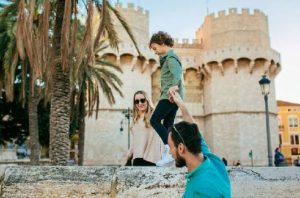
Valencia was once the Islamic Balansiya—firstly, Medina al-Turab—which flourished between the 8th and 13th centuries as one of Al-Andalus’ major cultural and commercial centers. The old medina had seven gates, including Bab Al-Qantara, the “Gate of the Bridge,” which once stood just behind today’s iconic Serranos Towers. While most of Islamic Valencia’s architecture is lost to time, we’re left with glimpses—like sections of the old walls, still standing in various spots across Ciutat Vella—the oldest part of the city—in the Galería del Tossal and in other private and public institutions, and also remains of the Alcázar preserved at the La Almoina Archaeological Museum.
More importantly, much of the city’s Islamic intangible heritage is still alive today: the fertile orchards and irrigation systems, its key crops like citrus fruits and rice, the traditions of silk and ceramics, and much of its cuisine. Even paella, Valencia’s most iconic dish, may have roots in the city’s Arab past—some believe the word paella comes from the Arabic baqiyah, which referred to leftover food mixed with rice to avoid waste.
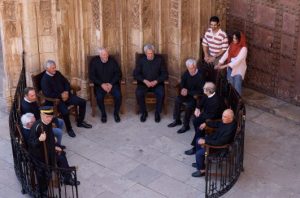
One thing that’s beyond debate is the origin of the Water Tribunal of Valencia, Europe’s oldest justice institution. This court, which still meets every Thursday at noon by the Apostles’ Gate of the Cathedral to resolve disputes over the distribution of water from the Turia River among irrigation communities, is a living tradition that dates back to the time of the Caliphate of Córdoba. It is now recognized by UNESCO as Intangible Cultural Heritage of Humanity.
2. A relaxed Mediterranean lifestyle

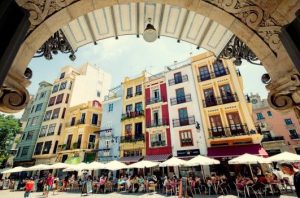
Valencia is bright, vibrant, and deeply Mediterranean. Its soft light and colorful streets instantly lift your spirits. It’s a safe, walkable city with short distances between major sights and a mild climate all year round. Six months of beach weather, a globally recognized food scene, and endless parks make it a city built for well-being.
You’ll find nearly 5 million square meters of green spaces, including the famous Turia Gardens, which cut across the city like a green river. With 20 kilometers of beaches, from wild to urban, all certified with the Blue Flag for environmental quality, and over 160 kilometers of bike lanes, it’s no wonder Valencia was named European Green Capital 2024. But words can’t fully capture it—you have to experience this way of life to truly understand it.
3. A family-friendly destination
Valencia also stands out for being incredibly family-friendly. It has earned international recognition for its inclusive policies and child-oriented spaces. Places like the Bioparc and the Oseanografi—Europe’s largest aquarium—are among the top family attractions in Spain.
But you don’t need tickets to have a great time with your kids. The city’s flat layout, abundant green areas, playgrounds, beaches, and outdoor activities make Valencia a perfect destination for families with children of all ages.
4. So much to see and do
Valencia is a blend of history, innovation, and pure joy. Stroll through the city center to see landmarks like the Silk Exchange (a UNESCO World Heritage Site), medieval gates, and the Cathedral, built over the site of the Great Mosque that stood here until the 13th century.
At the La Almoina museum, you can literally walk through the layers of Valencia’s history—from Roman times to the Islamic era. Explore the city’s stunning markets, which are architectural gems and food havens all in one. Visit vibrant neighborhoods like El Carmen dan Ruzafa (Russafa in Valencian), packed with life, boutiques, and restaurants. Don’t miss museums like the National Ceramics Museum or the Silk Museum, both testaments to Al-Andalus’ lasting influence.
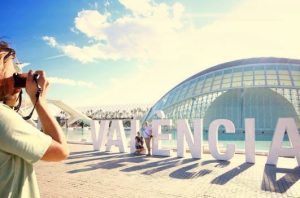
For a more modern contrast, head to the City of Arts and Sciences, where futuristic architecture meets science and culture. And of course, Valencia’s parks and beaches offer endless outdoor options. You’ll never run out of things to do.
5. A wide variety of halal food
Valencia is one of the top cities in Spain for halal food. A large and diverse Muslim community—mainly from Morocco, Pakistan, India, and Syria—has made food a key part of their local entrepreneurship. That means plenty of halal restaurants, from traditional to modern.
Looking for recommendations? Check out our curated list of the best halal restaurants in Valencia to find the ones that suit your tastes.
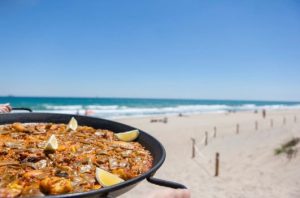
And of course, you can’t leave without trying a halal paella—Valencia is the birthplace of Spain’s most iconic dish! Whether you go for the classic paella or another flavorful rice-based specialty, you’ll find halal options that are truly worth tasting. For a one-of-a-kind experience, head to a traditional restaurant in El Palmar, near Albufera Lake, and enjoy paella the way locals have for generations.
We’ve given you five great reasons to visit, but Valencia has even more to offer. So… are you really going to miss it?