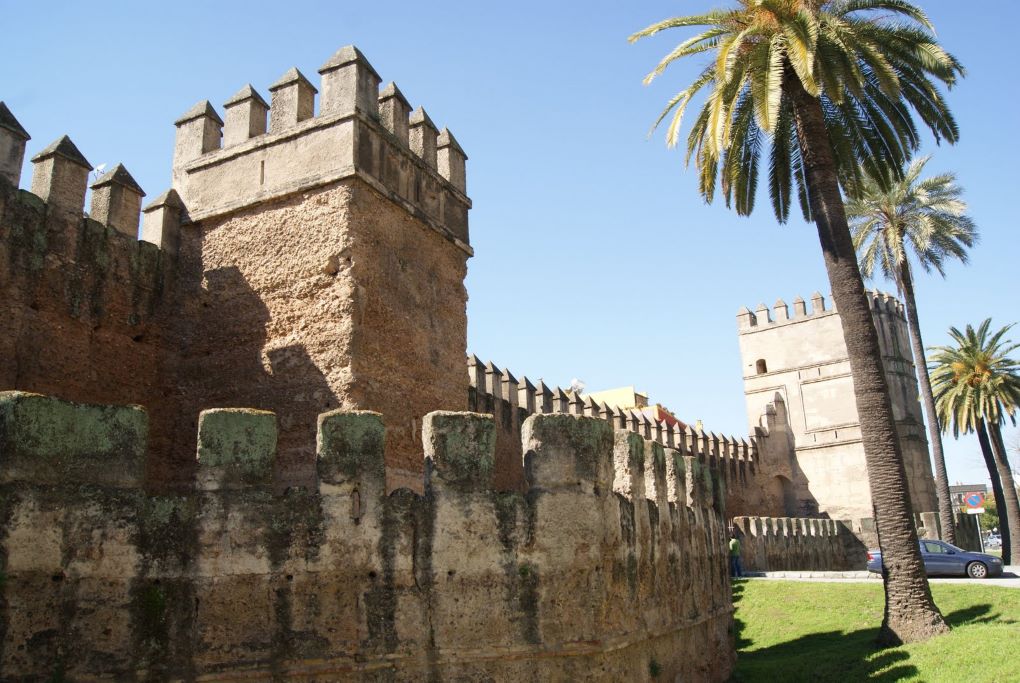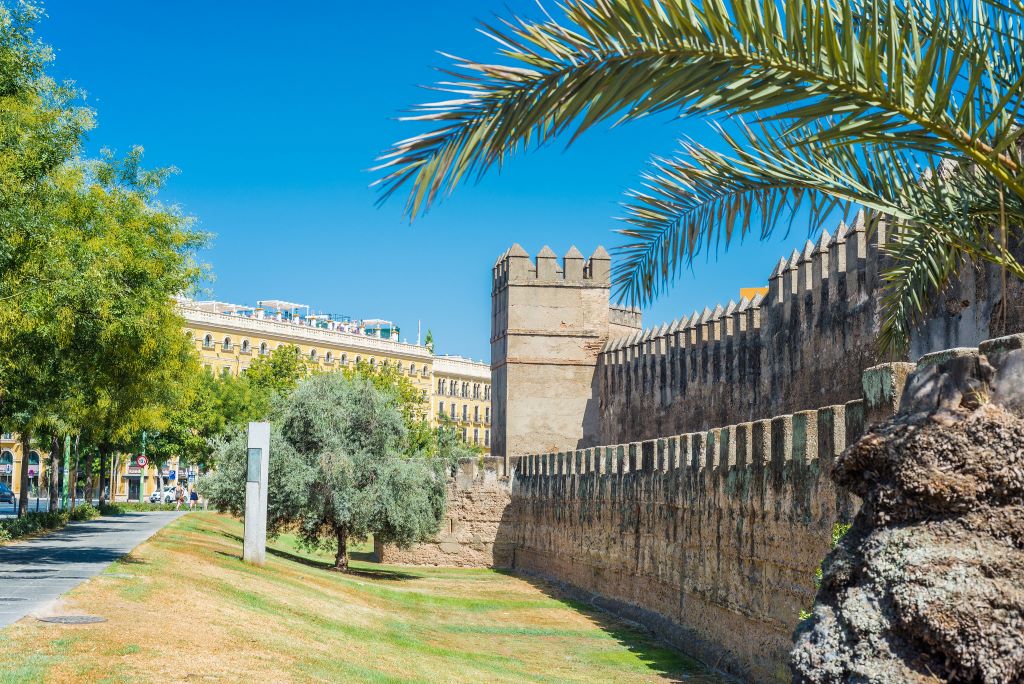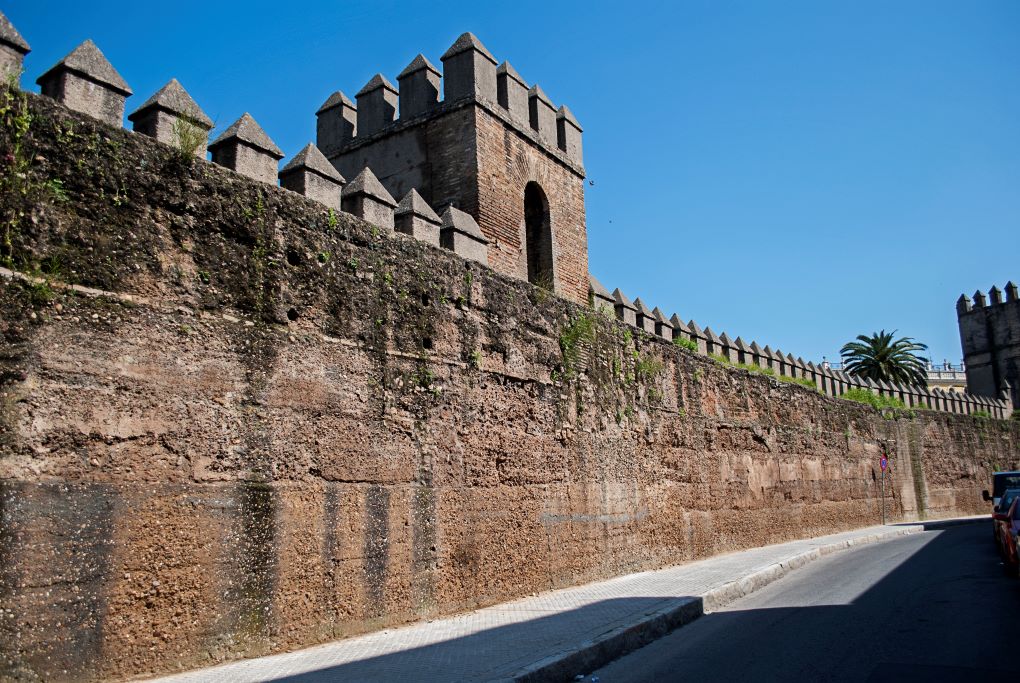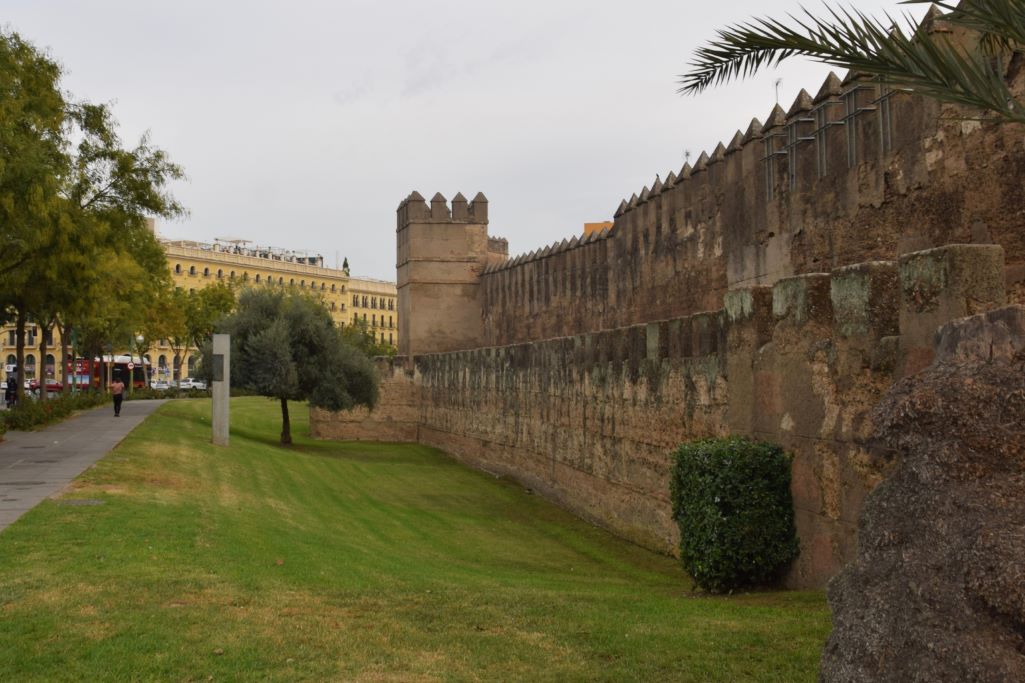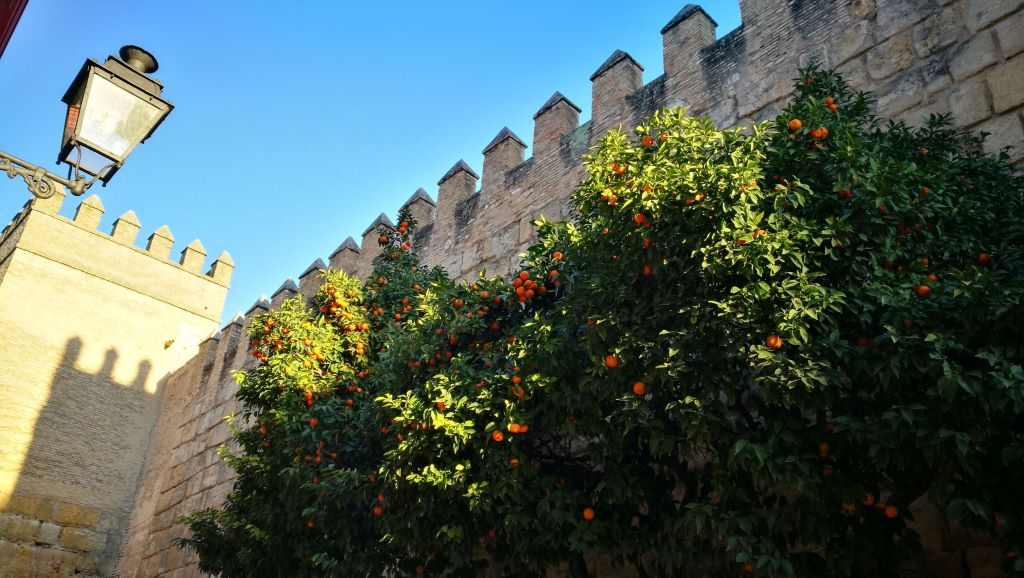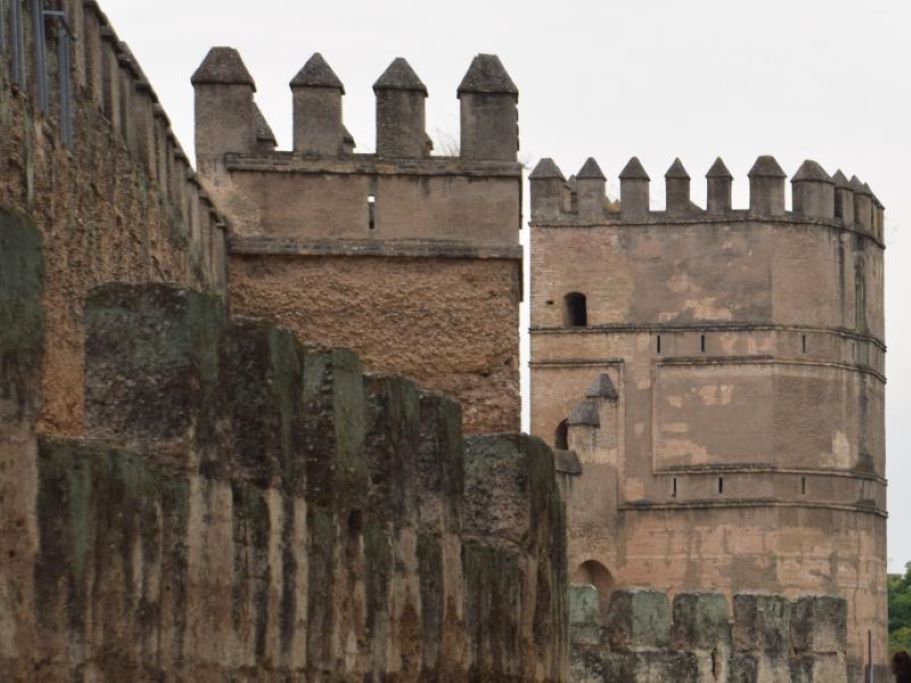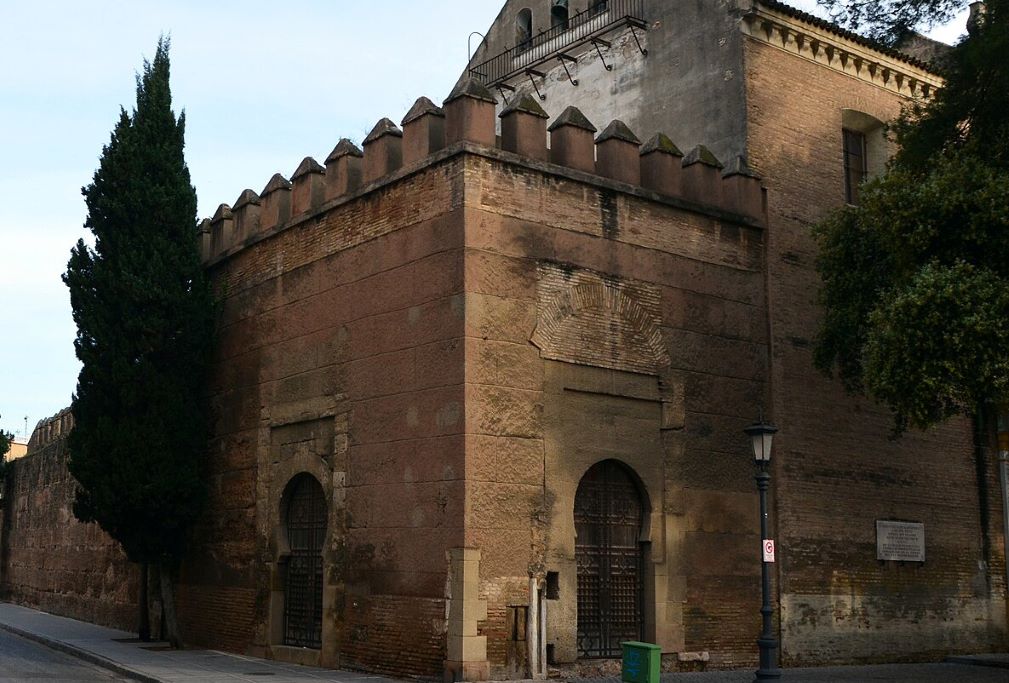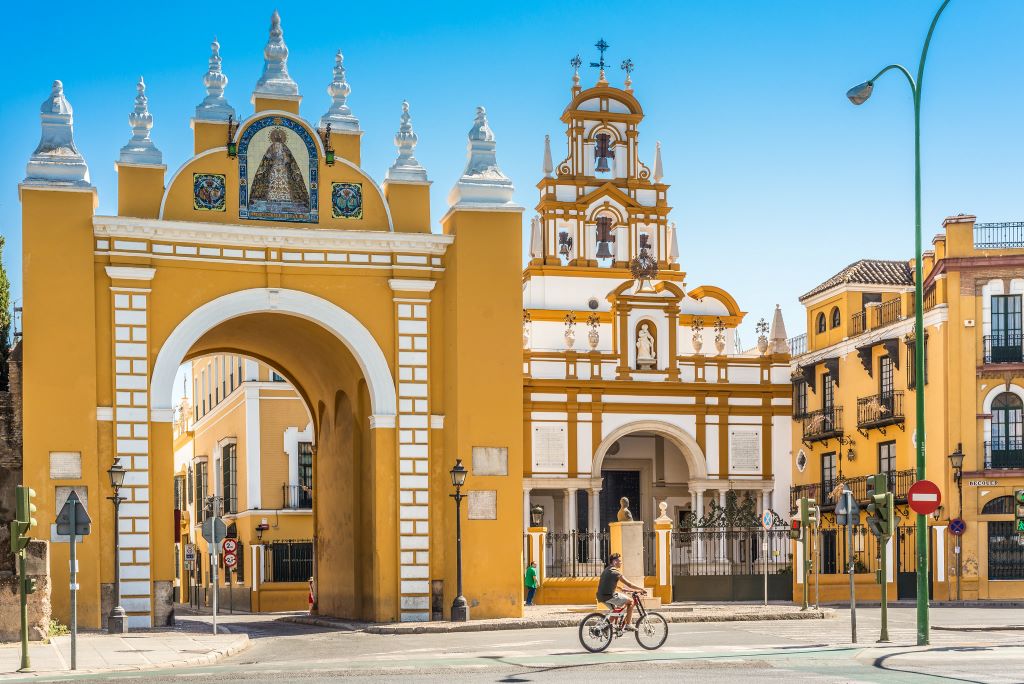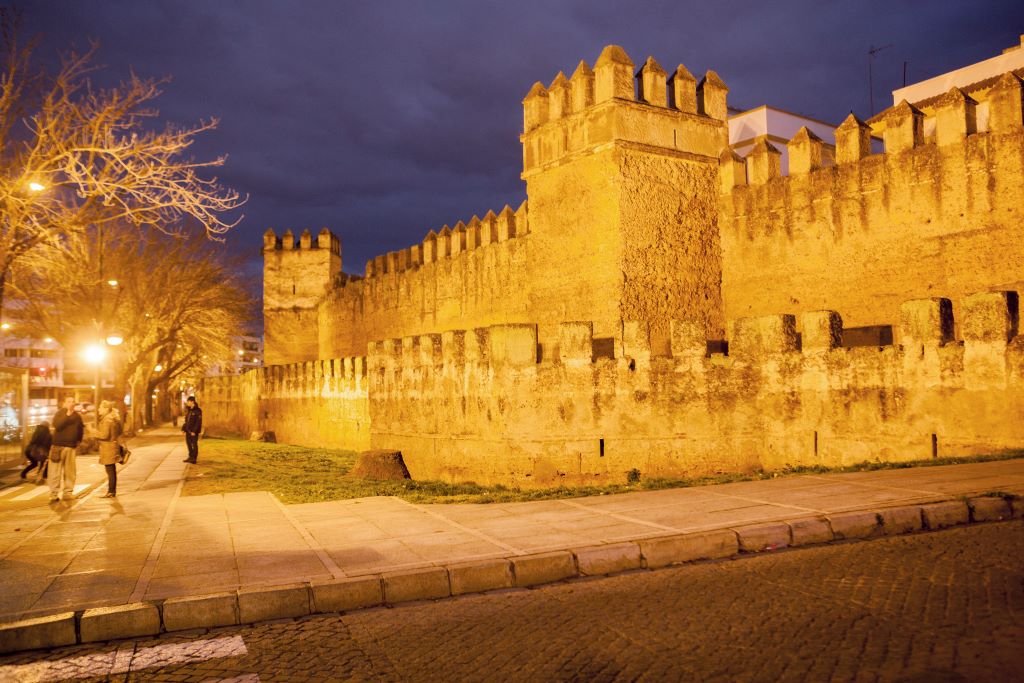
Seville was once the strongest and most fortified city in Europe. The Romans initiated its fortifications, but it was the Almohads in the 12th century who completed the simple yet effective 6km-long walls. These walls were designed to defend the Islamic Ishbiliya against both enemy attacks and frequent floods from the Guadalquivir River. The walls originally featured 166 watchtowers and nine gates. Today, only three gates and four towers remain.
Info & Lokasi
Kota/Provinsi: Seville
Jenis Pengalaman:
Warisan Islam
Alamat: Macarena, 22, 41003 Sevilla
Dimana:
Gates
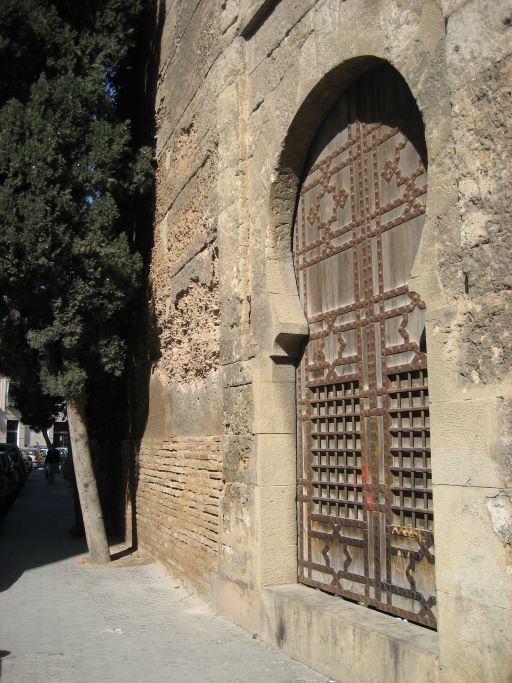
Puerta de Córdoba: The only one that retains its original appearance. Alamat: Calle Muñoz León, 6.
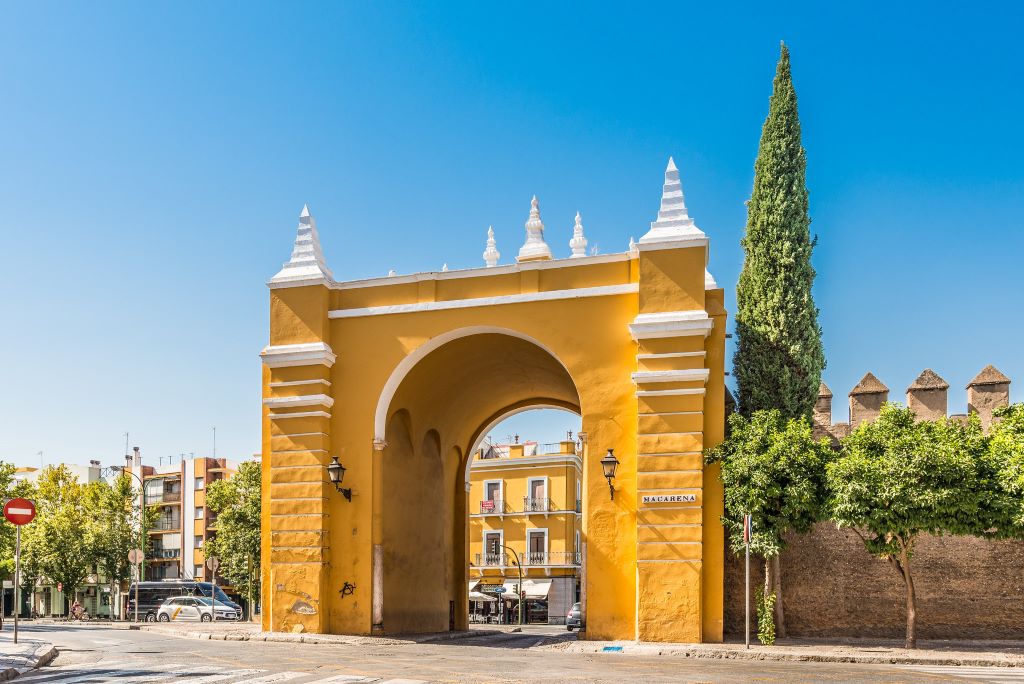
Puerta Macarena: from the Arabic Bab–al-Makrin. It is the northernmost entrance to the city, and the largest of all the walls. In 1795 it was rebuilt and the Almohad style gave way to what it looks like today. Alamat: Bécquer, 1.
Postigo del Aceite: Its current image responds fundamentally to that acquired after the reform carried out during the second half of the 16th century. Alamat: Almirantazgo, 11.
Towers
Torre del Oro: (Golden Tower) One of the landmarks of the city, on the left bank of the Guadalquivir river. Alamat: Paseo de Cristóbal Colón, s/n.
Torre de la Plata: (Silver Tower) The construction of this octogonal tower is estimated between 1252 and 1289, during the Almohade period.
Torre Blanca: (White Tower) This Almohade tower was part of the defenses of the section of the walls that linked the Puerta de la Macarena with the Puerta de Córdoba. It was painted white. Alamat: Macarena with calle Torreblanca.
Torre Abd al-Aziz: Its name comes from the emir Abd al-Aziz ibn Musa who lived in Ishbiliya from 714 to 719. It is located on the current corner that forms Avenida de la Constitución with Calle Santo Tomás.
Gates
Puerta de Córdoba: The only gate that retains its original appearance. Located at Calle Muñoz León, 6.
Puerta de la Macarena: Known in Arabic as Bab–al-Makrin, this is the northernmost entrance to the city and the largest of all the gates. In 1795, it was rebuilt, and the Almohad style was replaced by its current appearance. Located at Calle Bécquer, 1.
Postigo del Aceite: Its current appearance largely reflects the changes made during the second half of the 16th century. Located at Calle Almirantazgo, 11.
Towers
Torre del Oro (Golden Tower): One of the landmarks of the city, on the left bank of the Guadalquivir river. Paseo de Cristóbal Colón, s/n.
Torre de la Plata (Silver Tower): The construction of this octogonal tower is estimated between 1252 and 1289, during the Almohade period.
Torre Blanca (White Tower): This Almohade tower was part of the defenses of the section of the walls that linked the Puerta de la Macarena with the Puerta de Córdoba. It was painted white. Calle Macarena with calle Torreblanca.
Torre Abd al-Aziz: Its name comes from the emir Abd al-Aziz ibn Musa who lived in Ishbiliya from 714 to 719. It is located on the current corner that forms Avenida de la Constitución with Calle Santo Tomás.